New Orleans Grease Trap works in kitchens where the trap sits under a prep sink, behind a dish pit, or in a steel-lidded tank outside the back door. Most of what we do is grease trap cleaning and grease interceptor pumping, and the jobs below show what each looks like in a New Orleans kitchen, from a Decatur Street interceptor to a corner chicken shop on a monthly route.
The same kitchens also lean on grease trap maintenance on a set schedule, with a service record left on site every visit. Between cleanings, line jetting comes up when a drain slows down. Each job here is a short account of what we found, what we did, and how it came out.
Some of these kitchens also needed used cooking oil collection set up beside the trap, and one needed emergency grease trap service after the kitchen had closed for the night. Every entry gives the work and the result, and where a price applies it is our price for that job.
If your kitchen looks like one of these, call (504) 360-9231 and tell us what you have. We will tell you what it takes and what it costs.
Featured jobs
Decatur Street: a French Quarter interceptor brought back inside the 90-day rule
A restaurant on a Decatur Street block had an exterior interceptor that had gone past its interval. We pumped it and cleaned it out. We then set a 90-day pumping schedule, with manifests and service records filed on site where the inspector expects to find them. The full telling of this job sits on the home page.
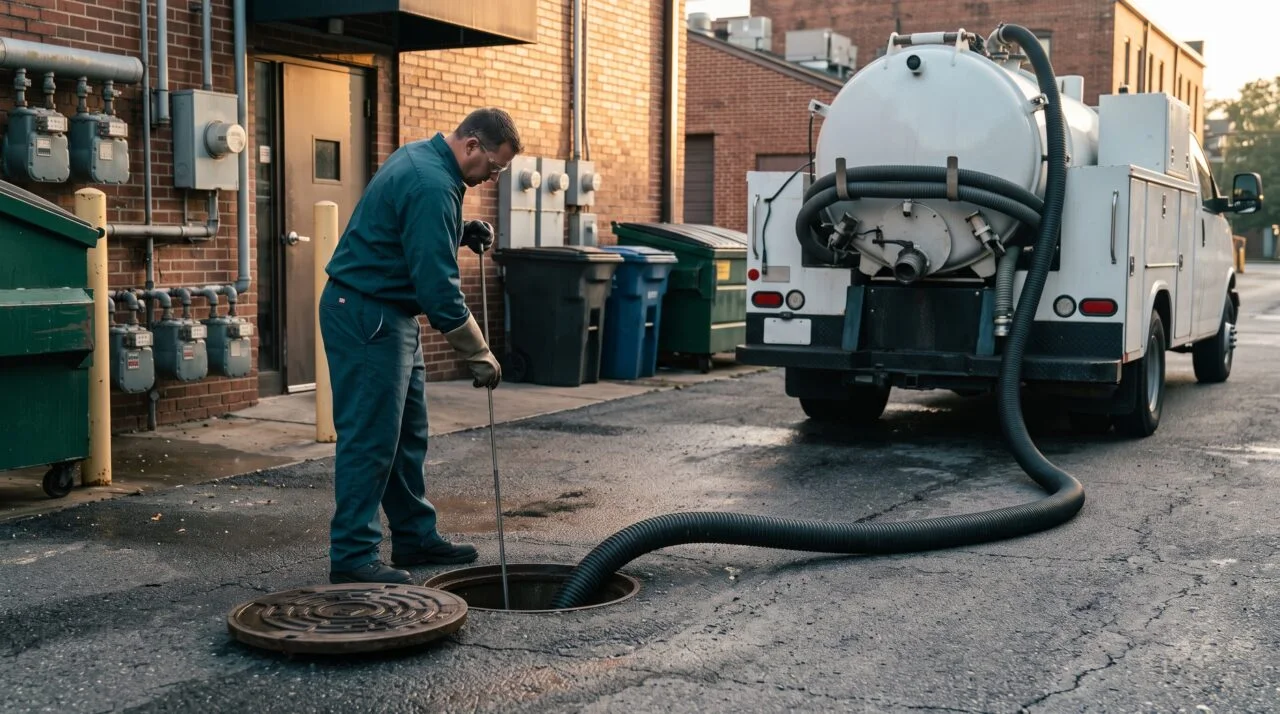
Westwego: a seafood house on a quarterly interceptor program
A West Bank seafood house runs a heavy fryer and boil line, so its 1,000 to 1,500 gallon interceptor fills faster than most. We pump it every 90 days, which matches the city's minimum interval. Each visit ends with a manifest copy for their binder. The pumping runs $225 to $450 at that size, and they have had nothing left to correct at inspection.
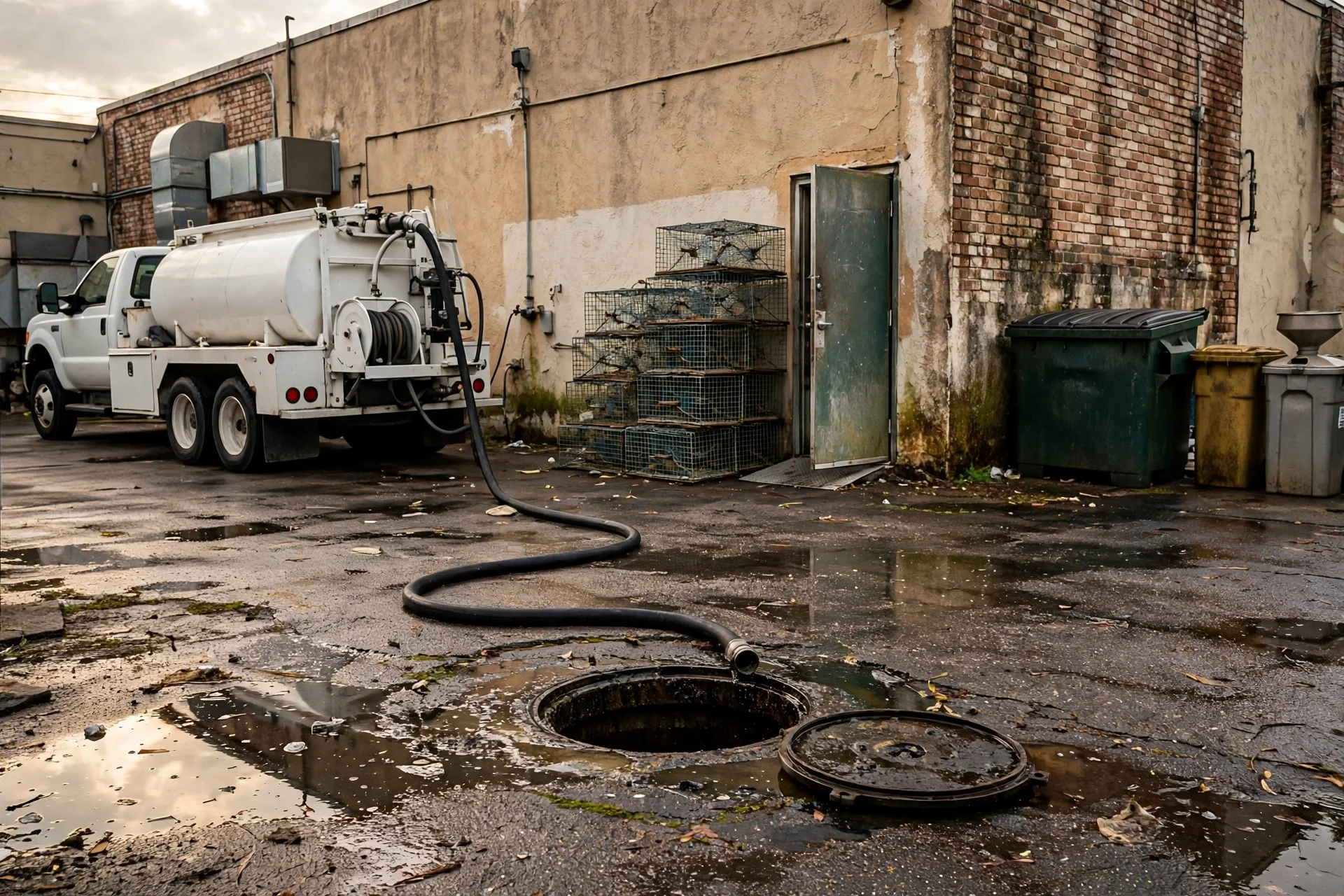
Dauphine Street: a Bywater bakery's small trap on a monthly route
A neighborhood bakery has a small indoor trap under the wash sink, well inside the up to 200 gallon band. Butter and batter residue fill it quietly, so we clean it once a month. A visit runs $125 to $180. The owner knows the trap is due before it becomes a smell or a slow drain, and the service record stays by the back door.
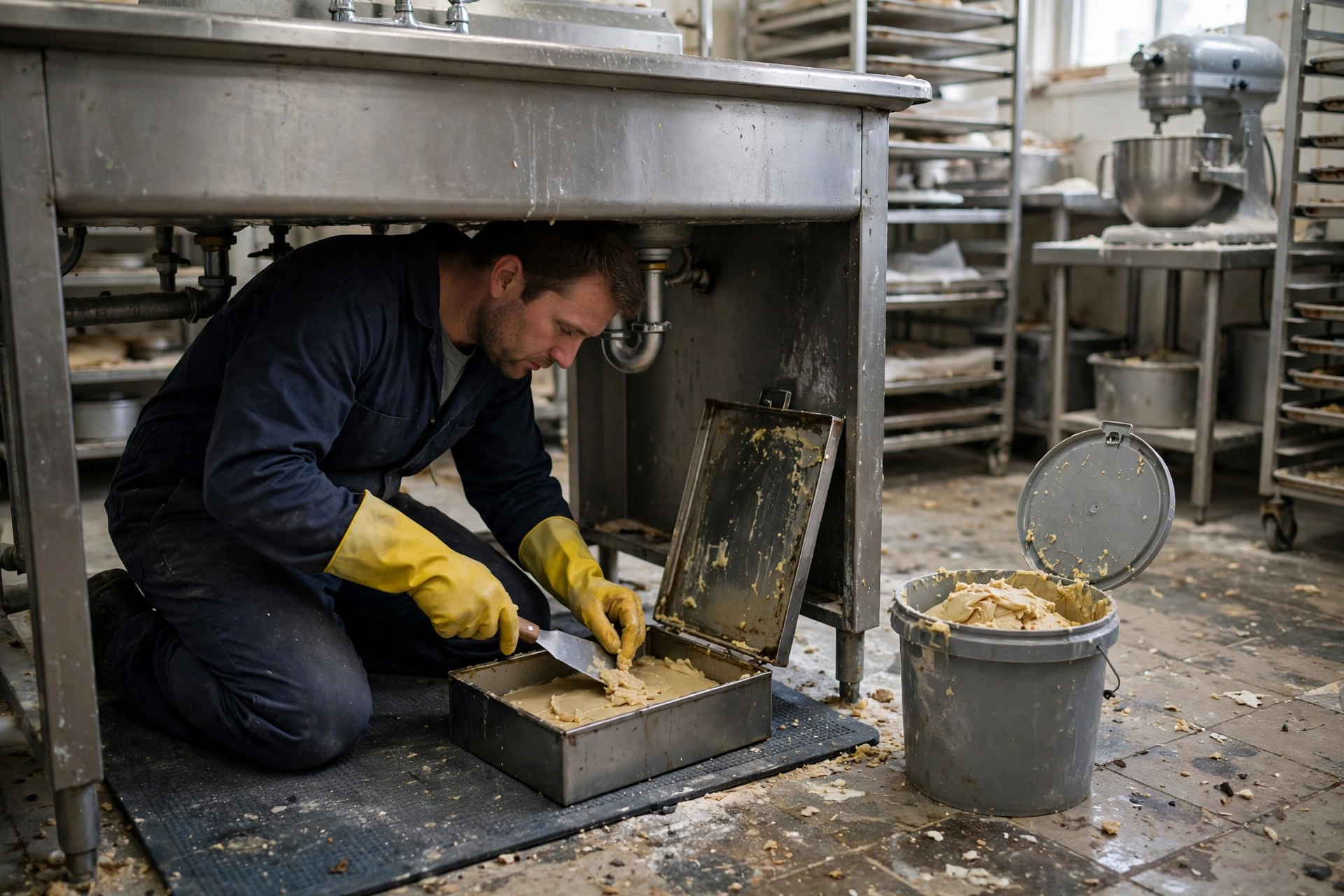
Magazine Street: a Garden District emergency night call-out
A Garden District restaurant had a backed-up indoor trap during the dinner clean-down, with water rising in the dish pit. We came out that night, emptied the trap, cleared the outlet and left the kitchen ready for the next morning's prep. An emergency indoor trap visit runs $190 to $240. They went on to a regular schedule so it would not happen again.
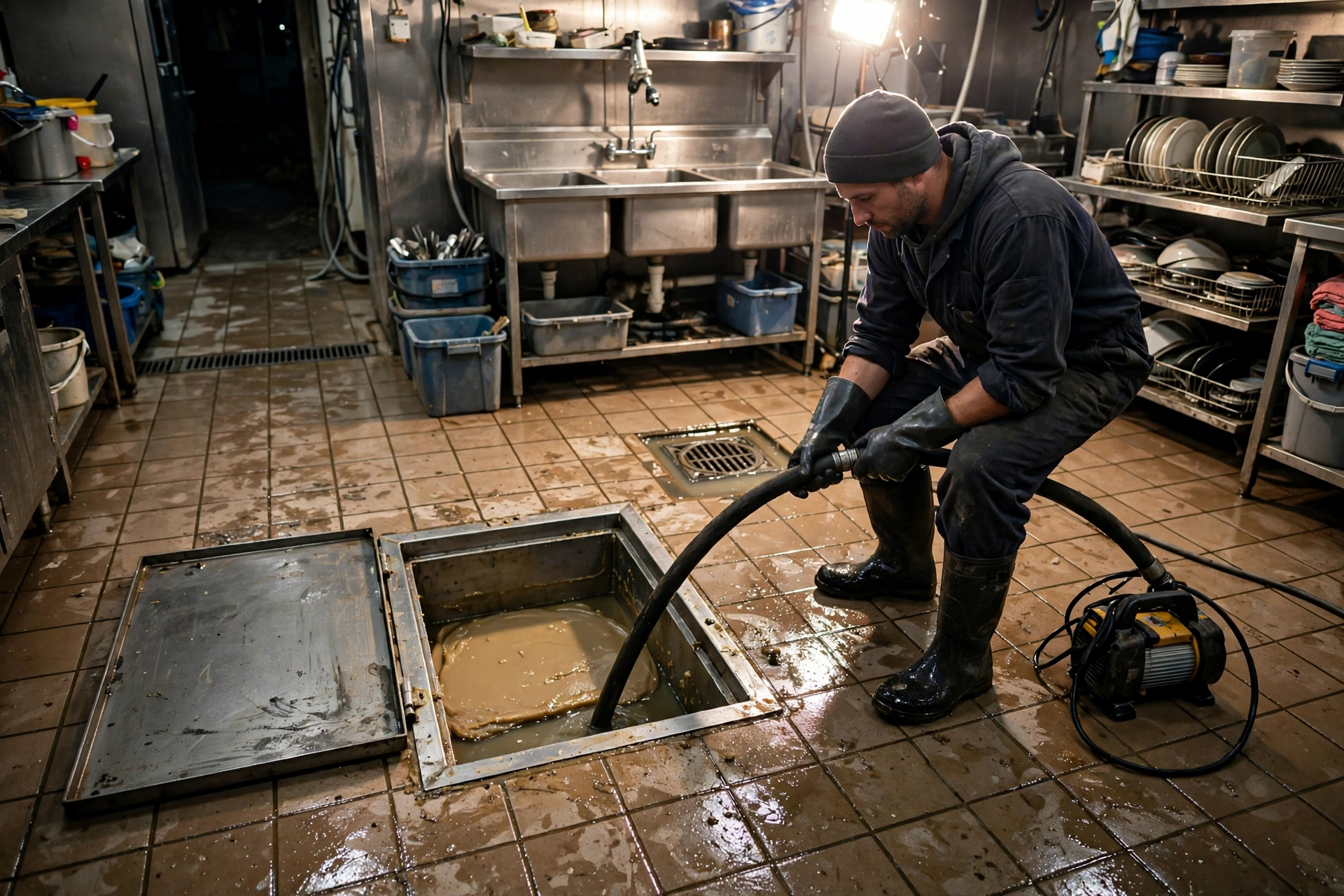
Frenchmen Street: a Marigny music venue's trap and oil container setup
A music venue with a busy bar kitchen needed its trap on a routine and a place to put spent fryer oil. We set up the trap service and placed a collection container for used cooking oil. Collection costs nothing for clean oil, and containers run from 30 to 320 gallons, so we fitted the size to a kitchen that is slammed on show nights. The back hallway has stayed clear of overflowing buckets.
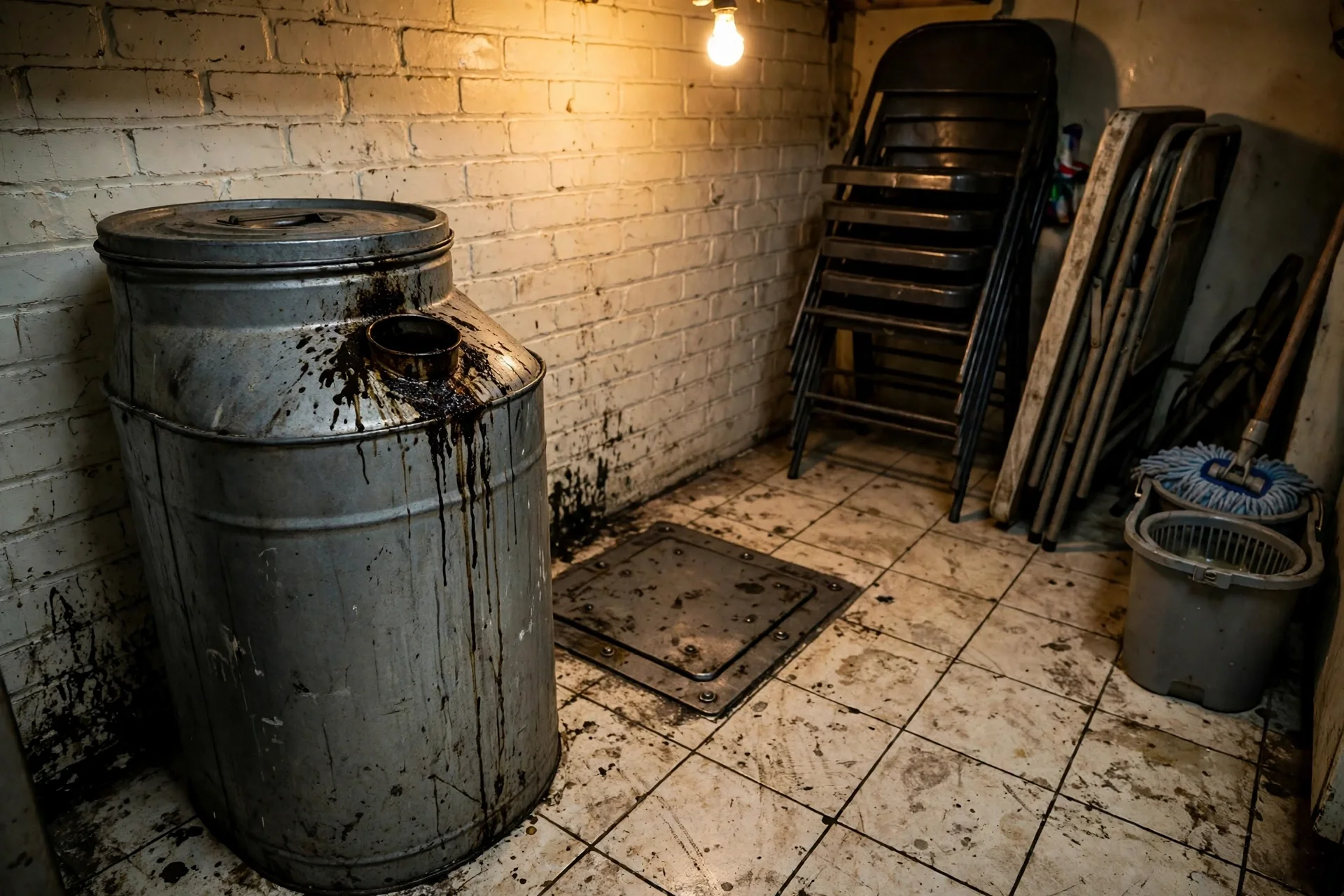
Oretha Castle Haley Boulevard: a Central City chicken shop's jetting and trap clean
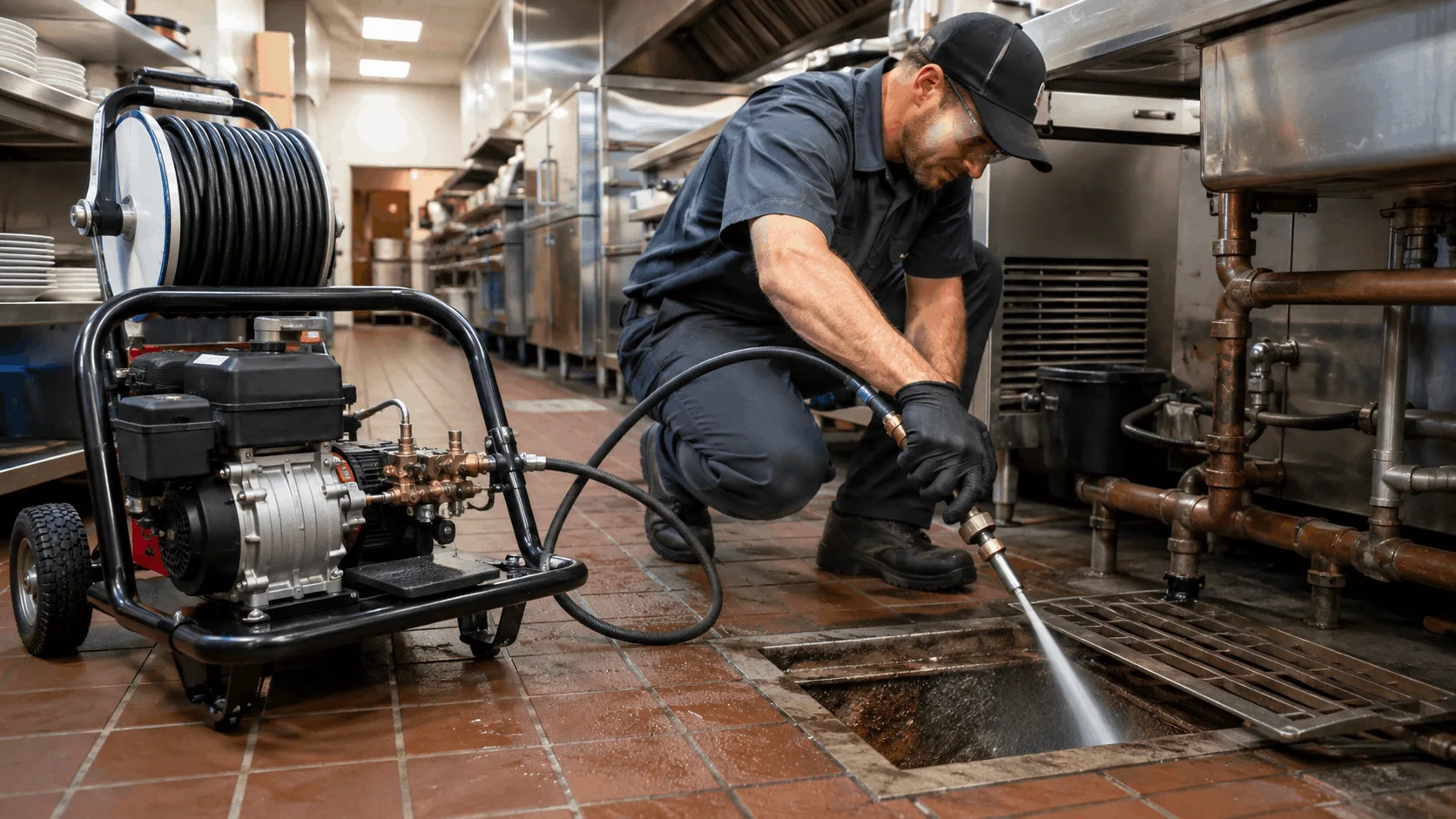
A fried chicken shop had a slow drain even after its trap was serviced, so the line was holding grease past the trap. We cleaned the trap and jetted the line in the same visit. Jetting is $100 when it is done with a service visit. The drain has run clear since, and the shop is now on a regular trap schedule.
Want the same for your kitchen?
Tell us the kind of trap you have and how often your kitchen fries, bakes or boils, and we will give you a price and a schedule. Our phone is (504) 360-9231, and we answer Monday to Friday, 9:00 AM to 5:30 PM.
Send us your details
Fill in the form and we will get back to you. Name and phone are required, and service, town and message are optional. The more details you give, the better we are able to help you. A consent checkbox is required before you send.
[FORM: Name (required) · Phone (required) · Service (optional) · Town (optional) · Message (optional) · Consent checkbox (required)]