The company and the man who runs it
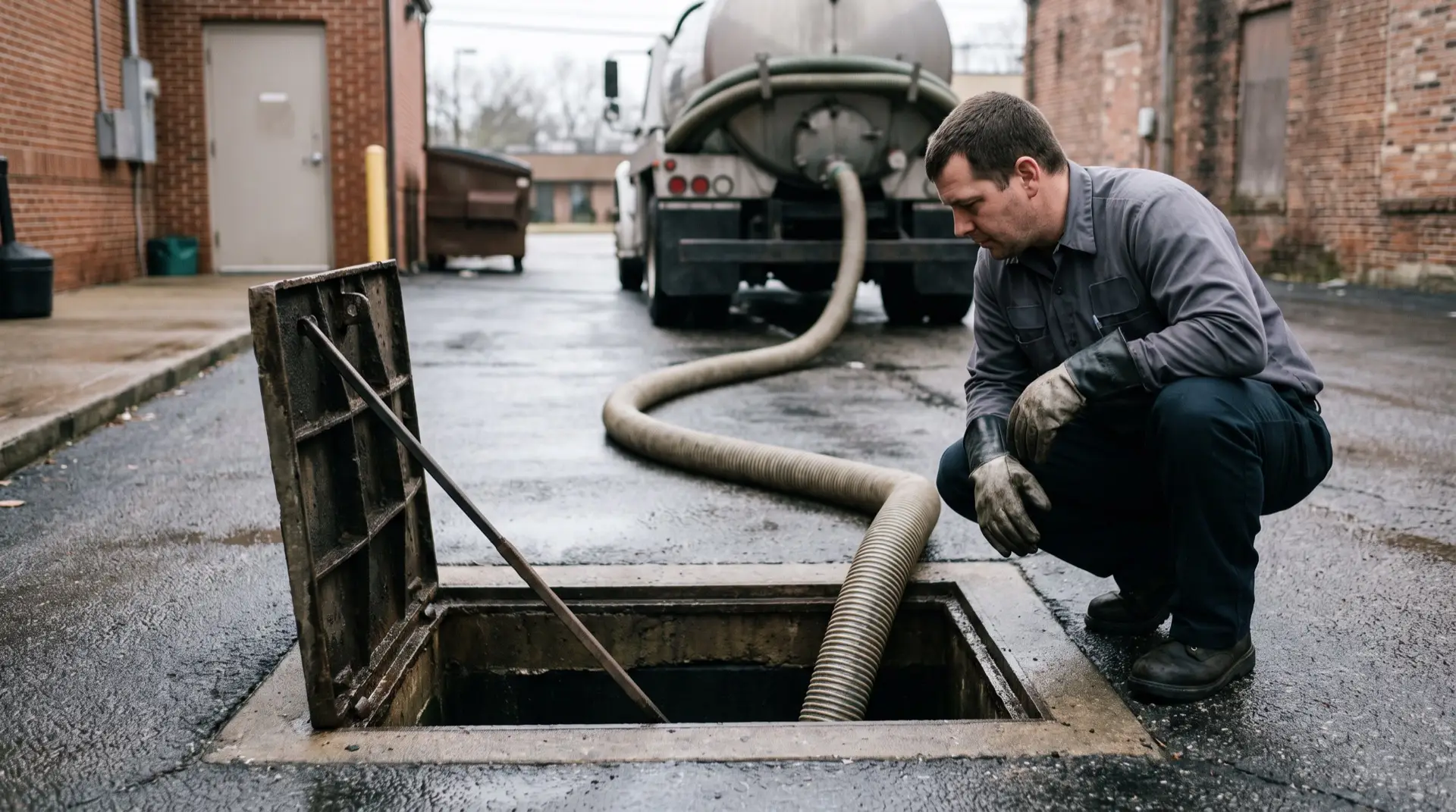
New Orleans Grease Trap keeps the traps and interceptors behind the city's kitchens working, and Dale Fontenot, our operations manager, runs the routes and the records that make that happen. A small trap under a prep sink gets grease trap cleaning on a schedule that fits how hard the kitchen works it. The big exterior tank gets grease interceptor pumping at least every 90 days. In between, grease trap maintenance means the 25 percent line is checked and the service records stay current. When the pipe running from the kitchen to the trap slows, line jetting clears it. The same round of work takes the fryer oil off your hands through used cooking oil collection, and when a trap backs up in the middle of service, emergency grease trap service starts with a phone call to us.
Dale schedules the trucks, reads the manifests and takes the calls that begin with "the inspector is coming Thursday." Most of what follows is how he got to that desk and how he works it.
If you already know what you need, call (504) 360-9231, Monday to Friday, 9:00 AM to 5:30 PM, and tell us what kind of kitchen you run and what the trap is doing. The form at the bottom of this page works too.
How Dale came to the work

Dale started on nights. A vacuum truck, a list of stops after the dining rooms closed, and kitchens full of people scrubbing down while he lifted a lid in the back. Nobody warns you about the first one. You learn the smell, you learn the weight of a full hose, and you learn that a trap tells you how a kitchen really runs, whatever the menu says.
Night work was an education in who drowns a trap in a week and who holds a quarter for a month. A fry-heavy kitchen with a dish pit that never stops fills fast. A lunch counter with a careful crew can go much longer between cleanings. Small traps in this trade often go every one to four weeks, and the gap between those two ends of the range is exactly what he learned to read. He stopped guessing from the type of restaurant and started going by what he found under the lid.
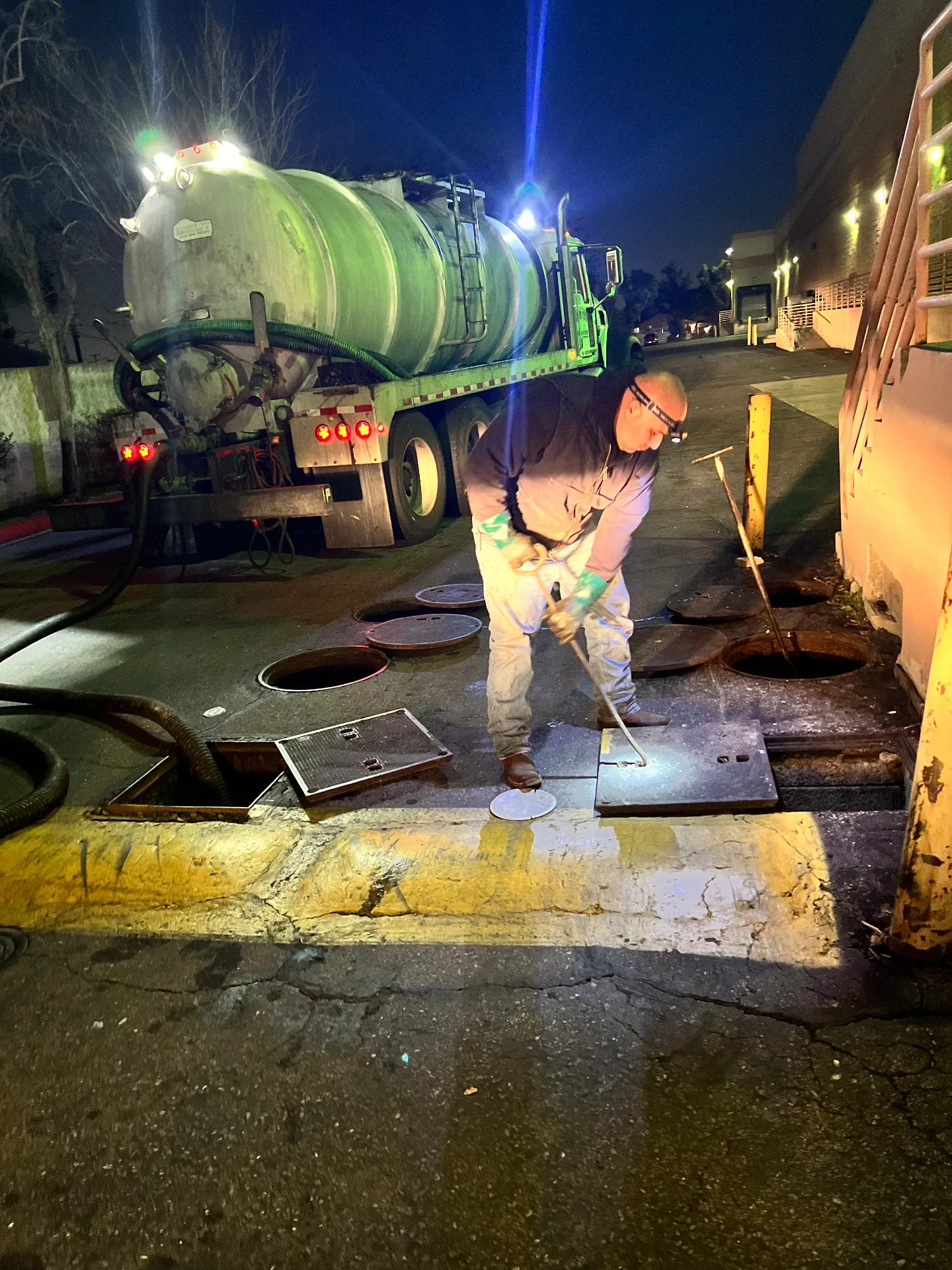
He also spent time on the other side of the work. When a kitchen fails an inspection, someone has to sit down with the chef and the report and work out what it actually says. Dale did that more than once: the report on the table, the chef tired and a little angry, and the two of them going line by line. Which finding was a missed pump-out, which was a missing record, what had to be fixed and by when. The city gives 90 days to correct defects found at inspection. He found that most chefs were not careless. They had never been shown how the rules fit together.
He did not leave the trucks behind when he moved to the office. He still goes out when a route runs thin or a kitchen is a puzzle, and he still looks into the trap before he reads the ticket. What he enjoys is the moment after a bad one, when the lid comes up on a trap that has been neglected, the work gets done and the next visit shows a clean, steady trap. He will tell you that part never gets old.
What he is particular about
The manifest is filled in before the truck leaves. Grease trap waste moves on Louisiana DEQ manifest forms carrying the hauler's name, address and phone, the vehicle number, the hauler's LDEQ registration number, the date and the volume. Dale will not let a driver pull away with a blank line. The city expects service records kept on site for three years, and an inspector who asks for them should get a folder, not a search. A copy that gets filled in later gets filled in wrong.
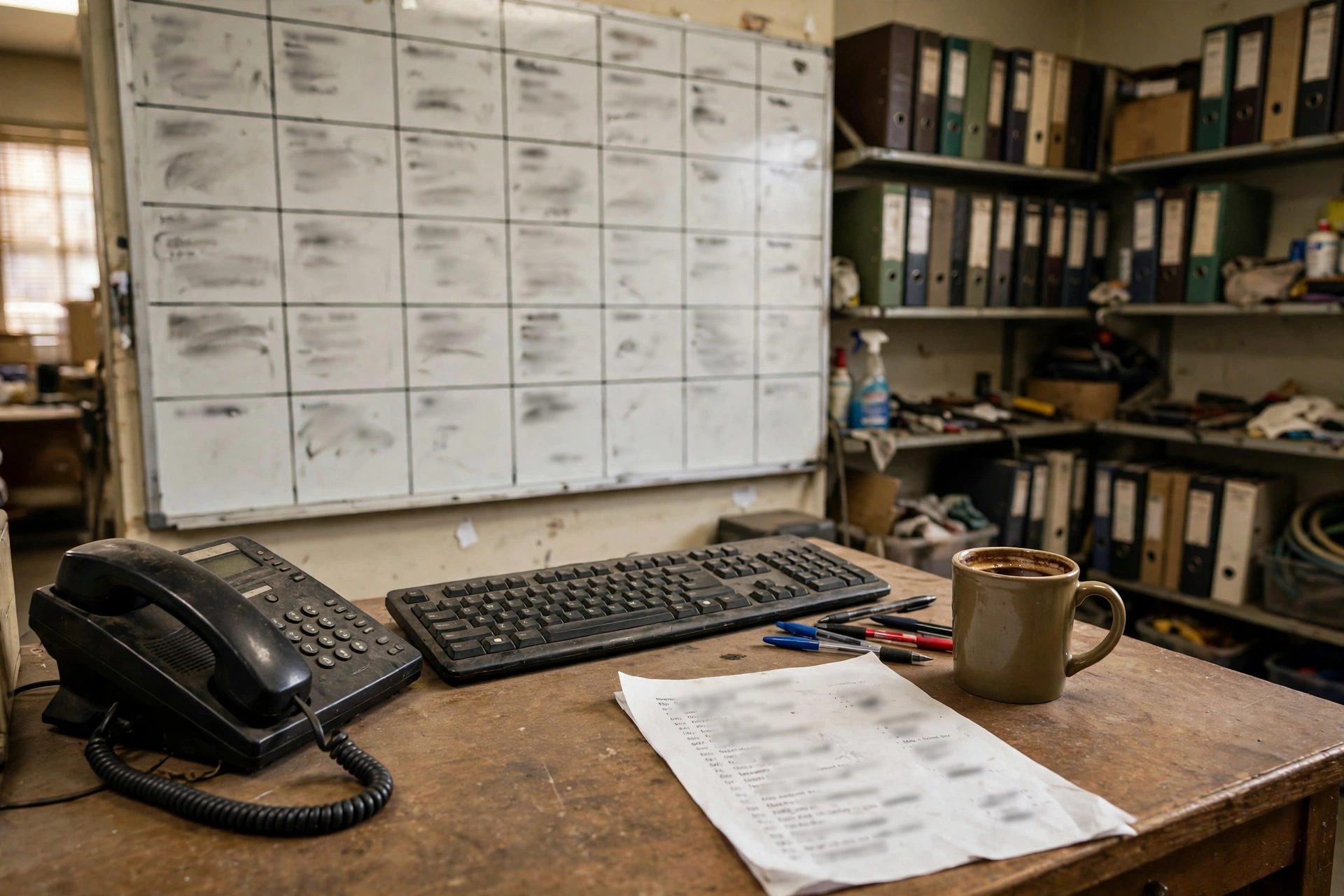
The 25 percent line is checked, not guessed. When the contents of a trap or interceptor reach 25 percent of design capacity, measured to the outlet invert, it has to be pumped within two working days. So we measure. Every visit, someone puts a stick in and reads it. The 90-day pump-out rule is the ceiling, not the plan. A busy kitchen may reach that quarter line well before the calendar does, and the stick is what tells you.
The call comes before the surprise. Every trap and interceptor in the city is permitted through the Sewerage & Water Board's FOG Program, and kitchens are inspected against it. If a trap is close to its line, or a record is missing, or a pump-out date is about to pass, Dale wants the kitchen to hear it from us first. A phone call on a Tuesday costs a manager a few minutes. A finding on inspection day costs a good deal more.
A call to start with
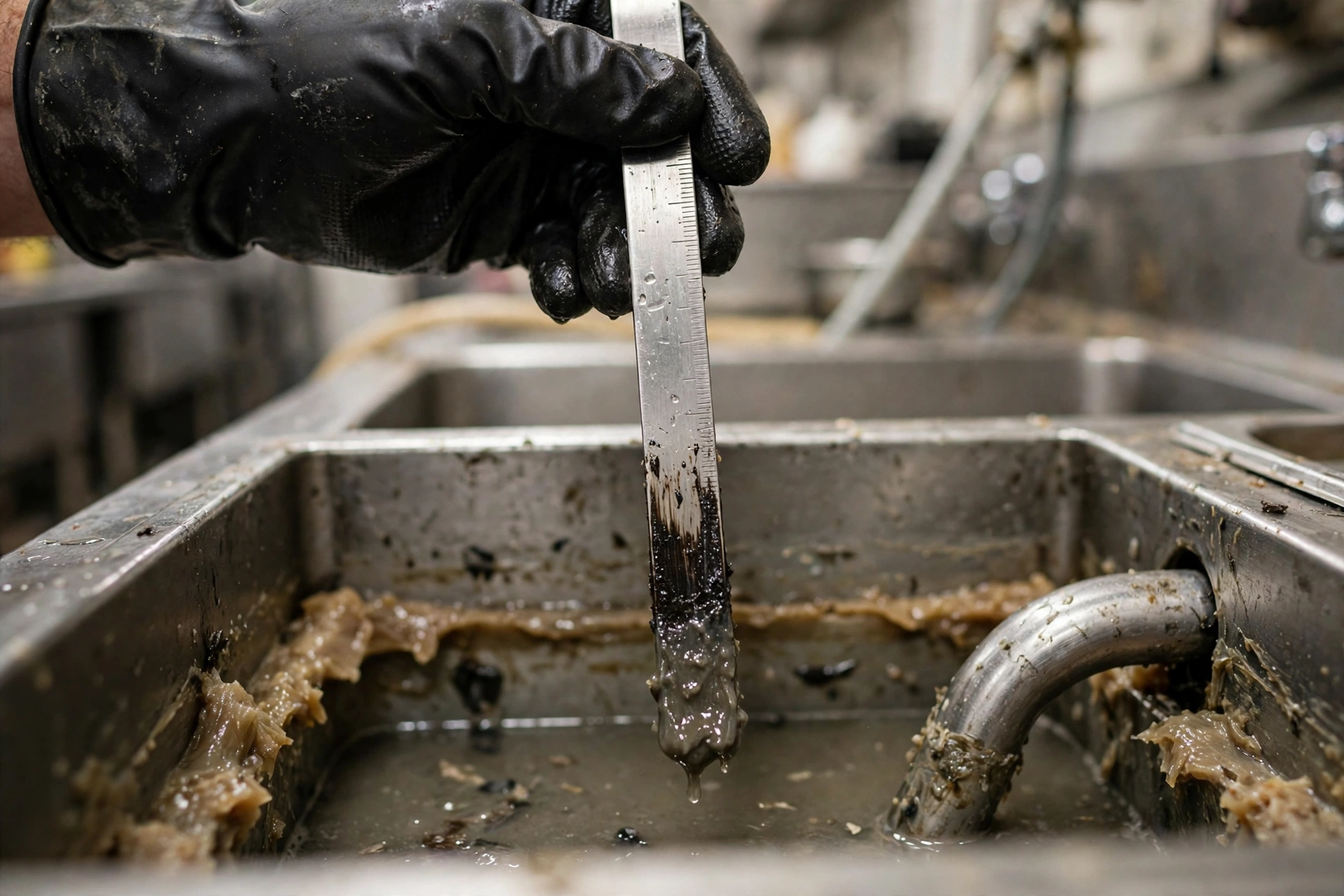
Whether you run a single small trap or a hotel's exterior tank, a short call can sort out what you need and when. Dial (504) 360-9231 between 9:00 AM and 5:30 PM, Monday to Friday, and ask for Dale's office. Tell us the kitchen, the trap and what is wrong. The prices for our services are our own, and a question about cost gets a number.
When a kitchen calls
Here is how the work goes once we have your call.
Step one: we ask the right questions
Dale or whoever picks up asks what kind of kitchen you run, where the trap sits, roughly what size it is, when it was last done and what you are seeing: slow drains, odor, a backup, an inspection date. Those answers decide whether it is a scheduled visit, an emergency call or a records problem that needs sorting first.
Step two: the visit
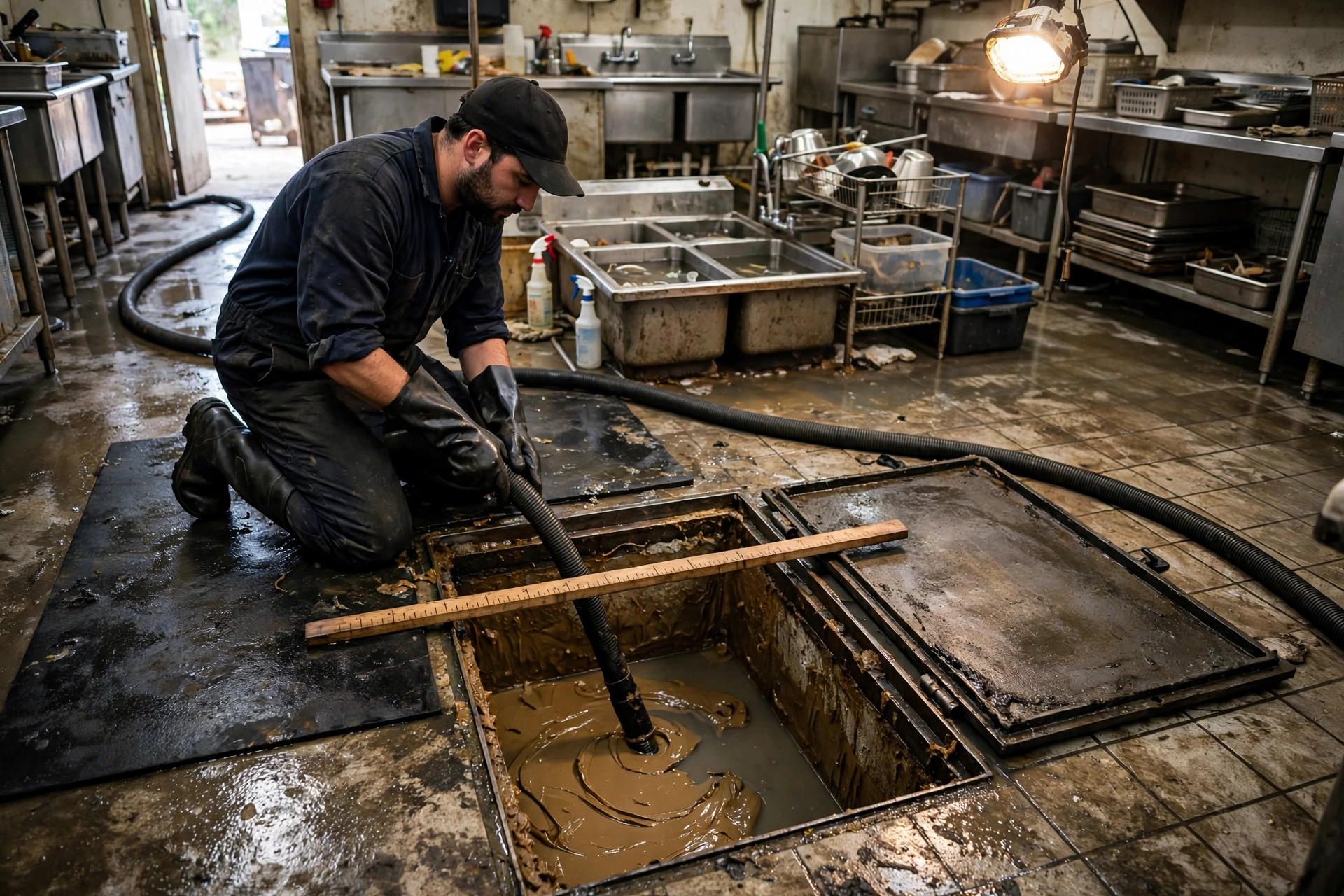
The technician opens the trap, takes the depth reading, pumps and cleans it, and looks at what a city inspector would look at: the lid and seal, the baffles, the inlet and outlet. If something is cracked or missing, you hear about it that day, because defects have 90 days to be corrected and that clock is better started early.
Step three: the record
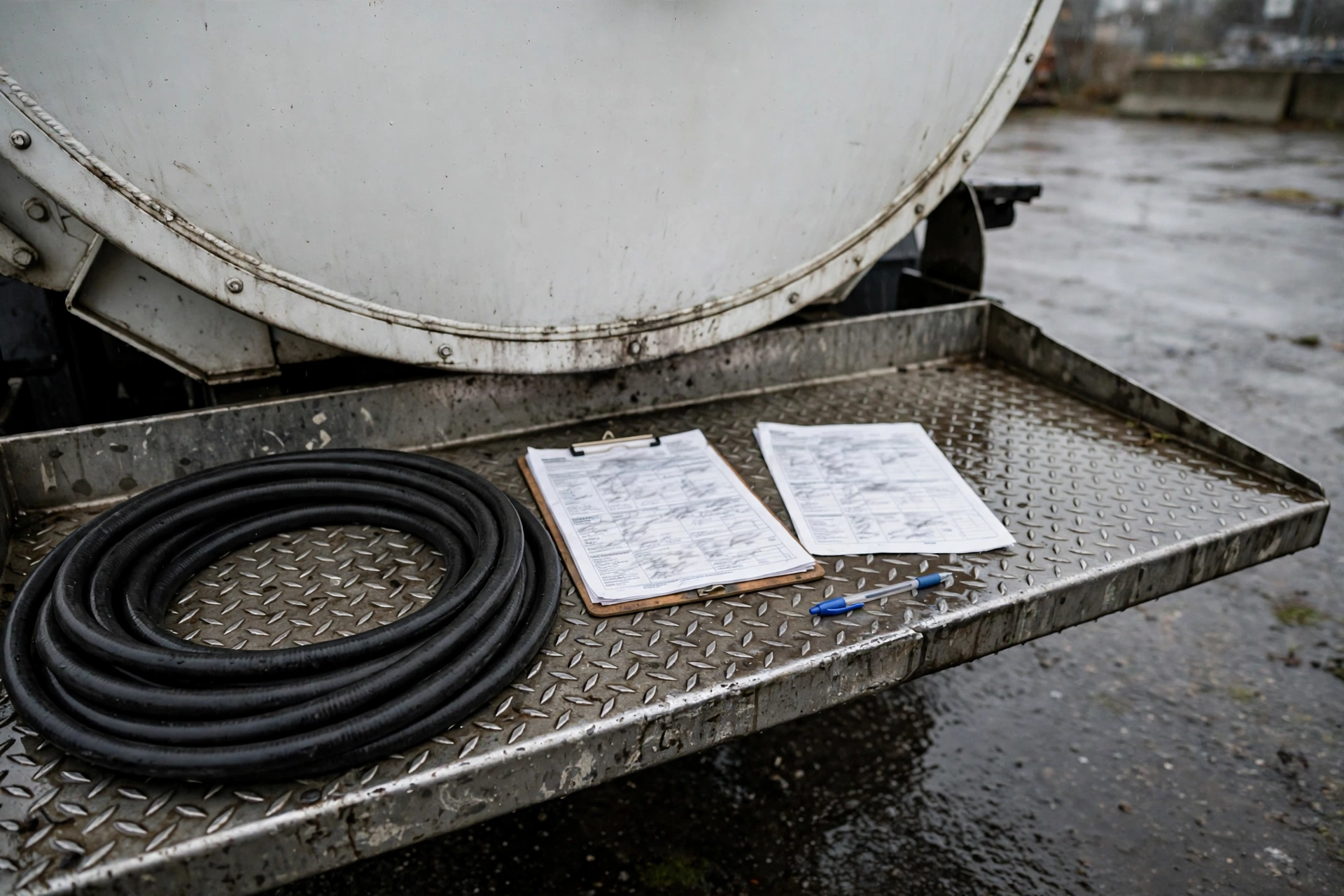
The manifest is completed and a copy is left with you. The service record notes the depth, what was done and anything the next visit needs to watch. Put it in the kitchen's folder where an inspector can find it.
Start with a call or the form

Tell us about your kitchen. Name and phone are required. Service, town and message are optional but useful, and a consent box confirms you are happy for us to contact you about the request. The more details you give, the better we are able to help you.
Prefer to talk? Call (504) 360-9231, Monday to Friday, 9:00 AM to 5:30 PM.