New Orleans Grease Trap does grease trap cleaning for Harahan kitchens, and it is the job we are called to most out there. Harahan sits about fifteen to twenty minutes from our base in New Orleans, and the restaurants along Jefferson Highway are mostly small, owner-run places with compact indoor traps under the sink or beside the dish station. Those traps fill quickly and need regular attention.
If you run a Vietnamese counter, an Italian neighborhood spot, a Honduran kitchen or a Chinese takeout in Harahan or the Elmwood retail district, we come to you, open the trap, measure it, clean it and leave you the paperwork. Fryer oil, broth and dish-line fat all end up in the same small body of water, so the schedule matters more than the size.
Call (504) 360-9231 Monday to Friday between 9:00 AM and 5:30 PM and tell us what kind of kitchen you run. We will book a visit and tell you what it costs before we arrive.
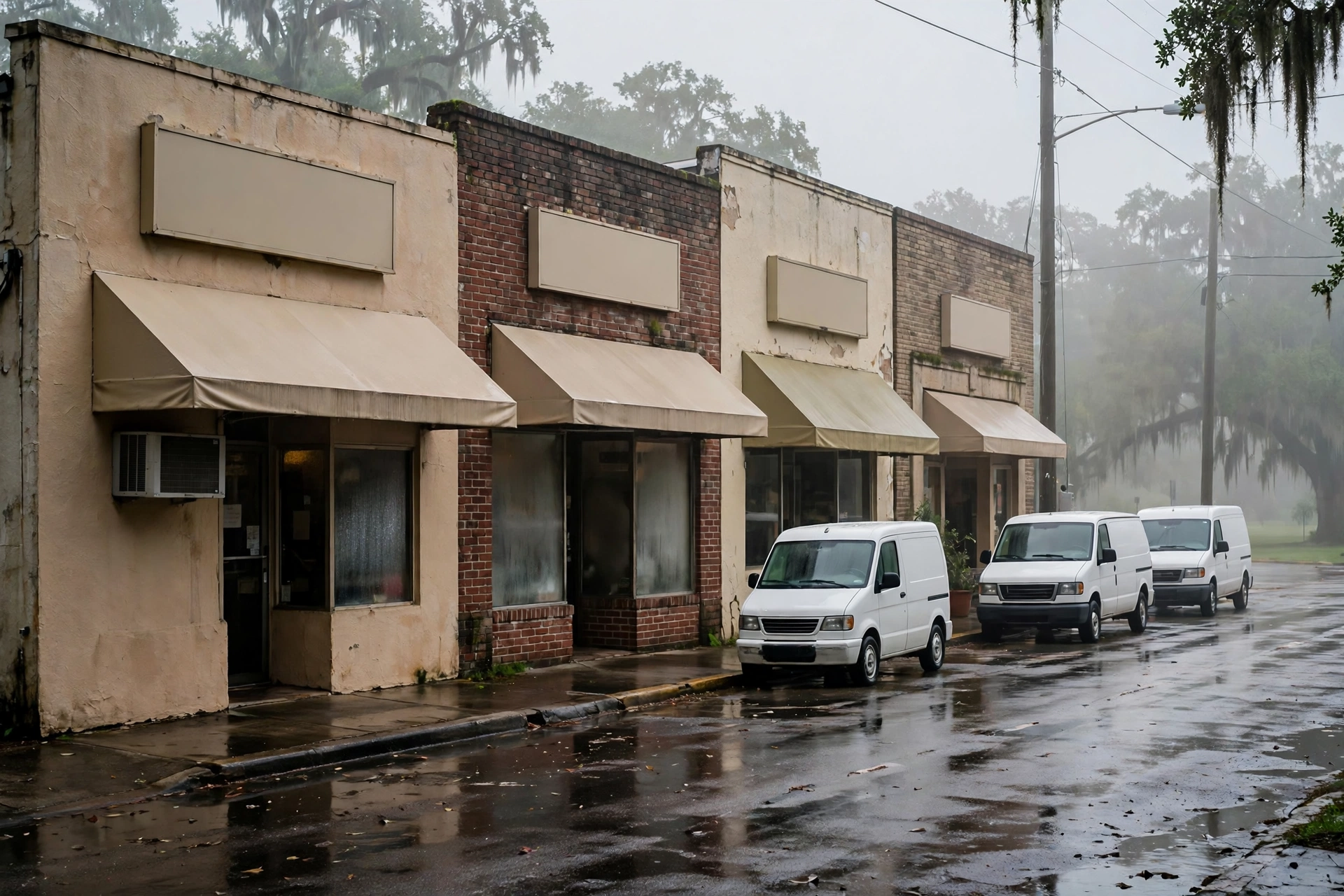
What Harahan kitchens are like
The kitchens along Jefferson Highway are small. Many are family-run, with a short crew and one person who handles the cleanup at close. Menus lean on the things that put the most grease into a drain: fried fish and chicken, rich broths, sauces finished in the pan, rice and noodle water with starch and oil in it. Dish sinks and floor drains in these kitchens run into one indoor trap, often a passive trap that holds somewhere between 40 and 200 gallons.
That is why interior trap work fits Harahan. Large exterior interceptors are the exception on this ground. The trap under the counter is the norm, and a trap that small has very little room before it is a quarter full.
How the service runs for a Harahan kitchen
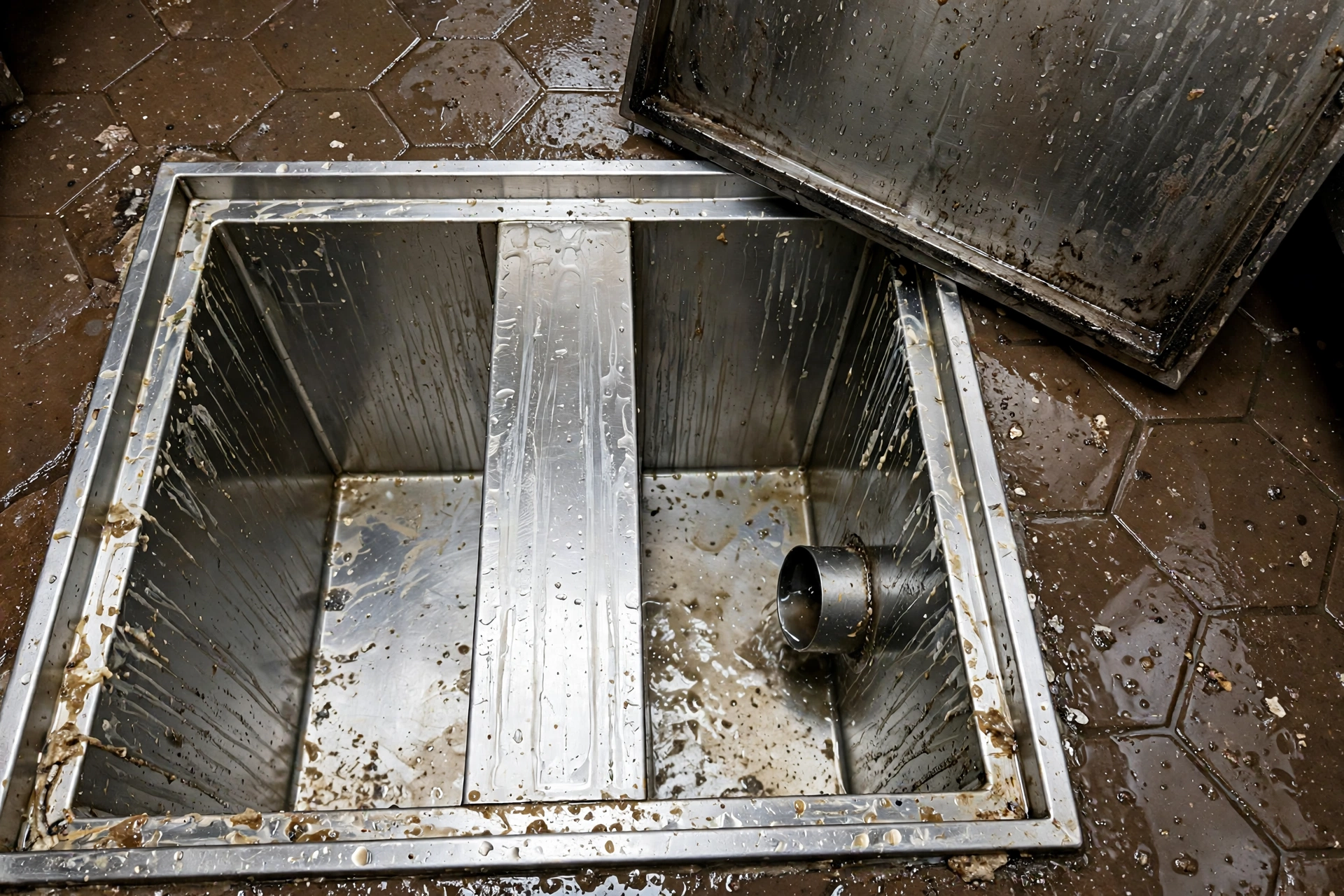
We schedule around your service, usually before the lunch rush or after the evening close. The crew opens the lid, measures the grease and solids against the trap's design capacity, pumps the trap out, scrapes the baffles and walls, and checks the inlet, outlet and lid seal. Then we put the trap back in working order and look at what we found. A cracked baffle, a loose lid or a missing gasket goes on the service record so you can fix it within the 90 days the city allows for defects.
Most local restaurants clean small traps every one to four weeks. We set your interval from what we see in the trap, not from a guess. The city's rules are the frame:
- Every trap and interceptor is permitted through the Sewerage & Water Board's FOG Program.
- Pump-out is required at least every 90 days.
- When the contents reach 25 percent of design capacity, measured to the outlet invert, the trap has to be pumped within two working days.
- Defects found at inspection are corrected within 90 days.
- Manifests and service records stay on site for three years.
Grease trap waste moves under Louisiana DEQ manifest forms carrying the hauler's name, address, phone, vehicle number and LDEQ hauler registration number, plus the date and volume. We fill those out at every visit and leave you a copy. Louisiana sets no pumping interval of its own, so the city's schedule is the one you answer to.
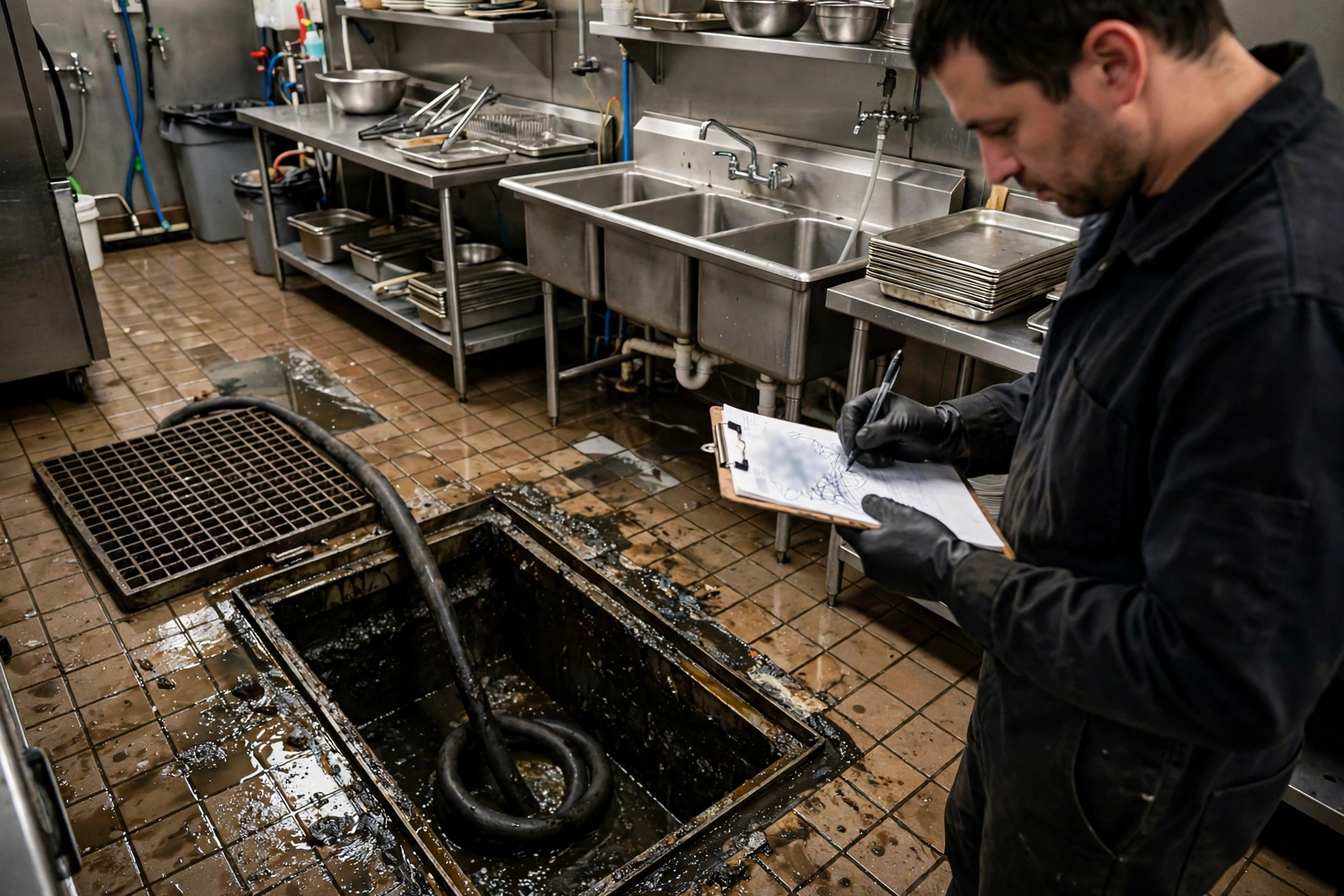
What it costs
These are our prices for a scheduled visit.
An indoor trap up to 200 gallons runs $125 to $180.
A trap of 201 to 500 gallons runs $175 to $475.
Line jetting runs $100 when we do it during a service visit. Heavy jetting for a hard-blocked line runs $300 to $600.
An emergency visit for an indoor trap up to 200 gallons runs $190 to $240.
We collect used cooking oil at no charge when it is clean, in containers from 30 to 320 gallons.
Where you land in a band depends on trap size, how much has built up and how easy the trap is to reach. We have no posted price for traps of 501 to 749 gallons. If yours is in that range, we give you the price on the phone once we know the trap. The same goes for an emergency visit on a trap over 200 gallons.
Featured job: a Vietnamese counter kitchen on Jefferson Highway
This kitchen serves pho, banh mi and rice plates from a small line, and it kept its trap on a monthly schedule because that was what the previous owner did. An inspection was coming and the owner wanted to know where the trap stood. This is how the job went.
The call
The owner phoned on a Tuesday and said the sink at the back was draining slowly by the end of every night. The broth pots are emptied and the pans rinsed there, and the trap sits under the dish station, in the up to 200 gallon band. We booked the visit for the next morning before prep started.
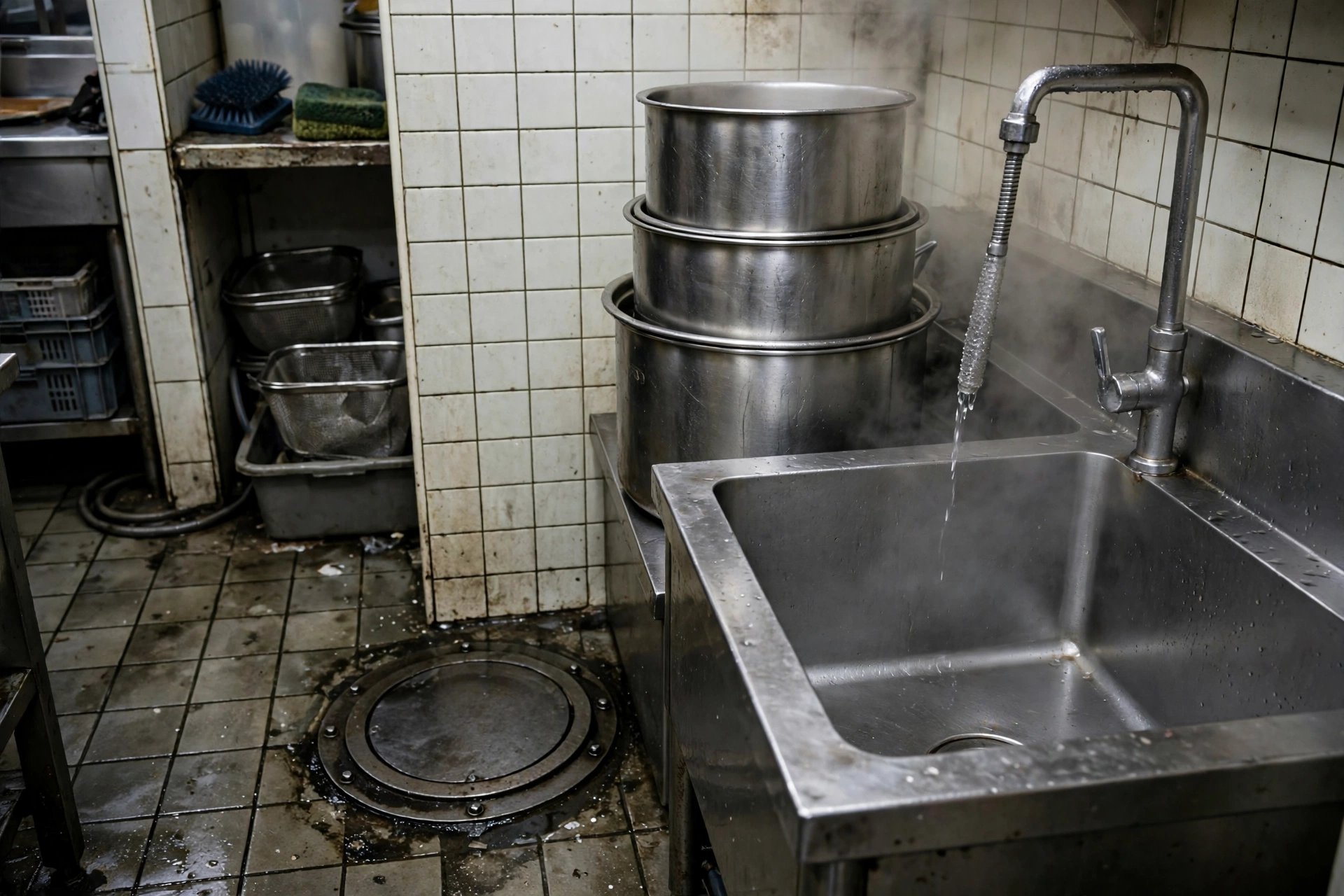
The measure
We opened the trap and measured before touching anything. The grease and solids stood past the 25 percent line, measured to the outlet invert. That meant the trap was already due, and the monthly schedule was running a full cycle too long for this menu. Under the city rule, a trap in that state is pumped within two working days.
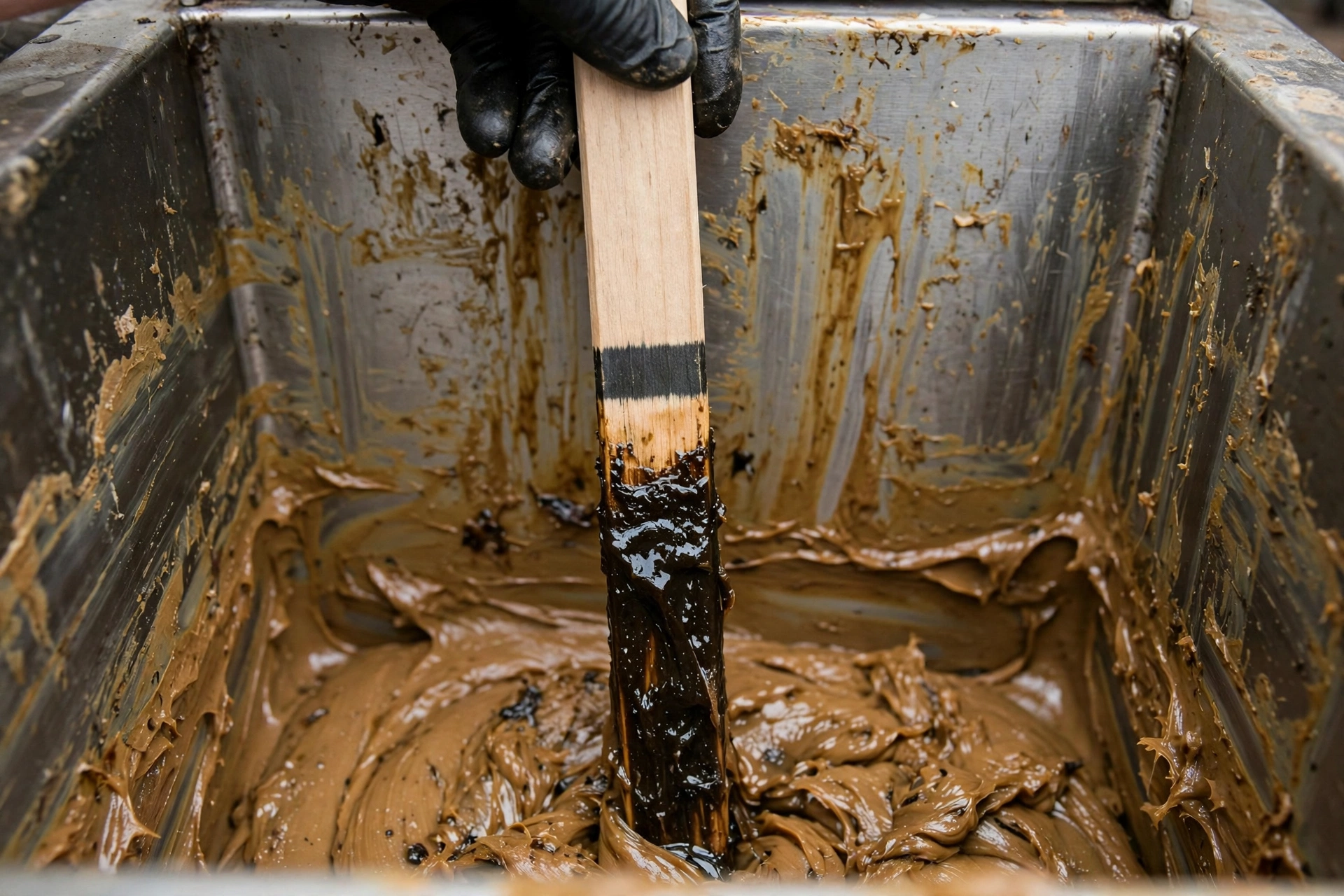
The clean
We pumped the trap out, scraped the baffles and walls, and cleared the line with a jetting pass while the crew was there, billed at the $100 rate. The inlet fitting showed some wear, which we logged as a defect. The trap cleaning itself fell in our $125 to $180 band for traps up to 200 gallons.
The new interval
We moved the kitchen to a two-week schedule, within the one to four weeks most small traps run. The manifest and the defect note went into the owner's binder with the three-year records. When the inspection came, the trap was open, measured and documented, and the inlet had been repaired inside the 90 days.
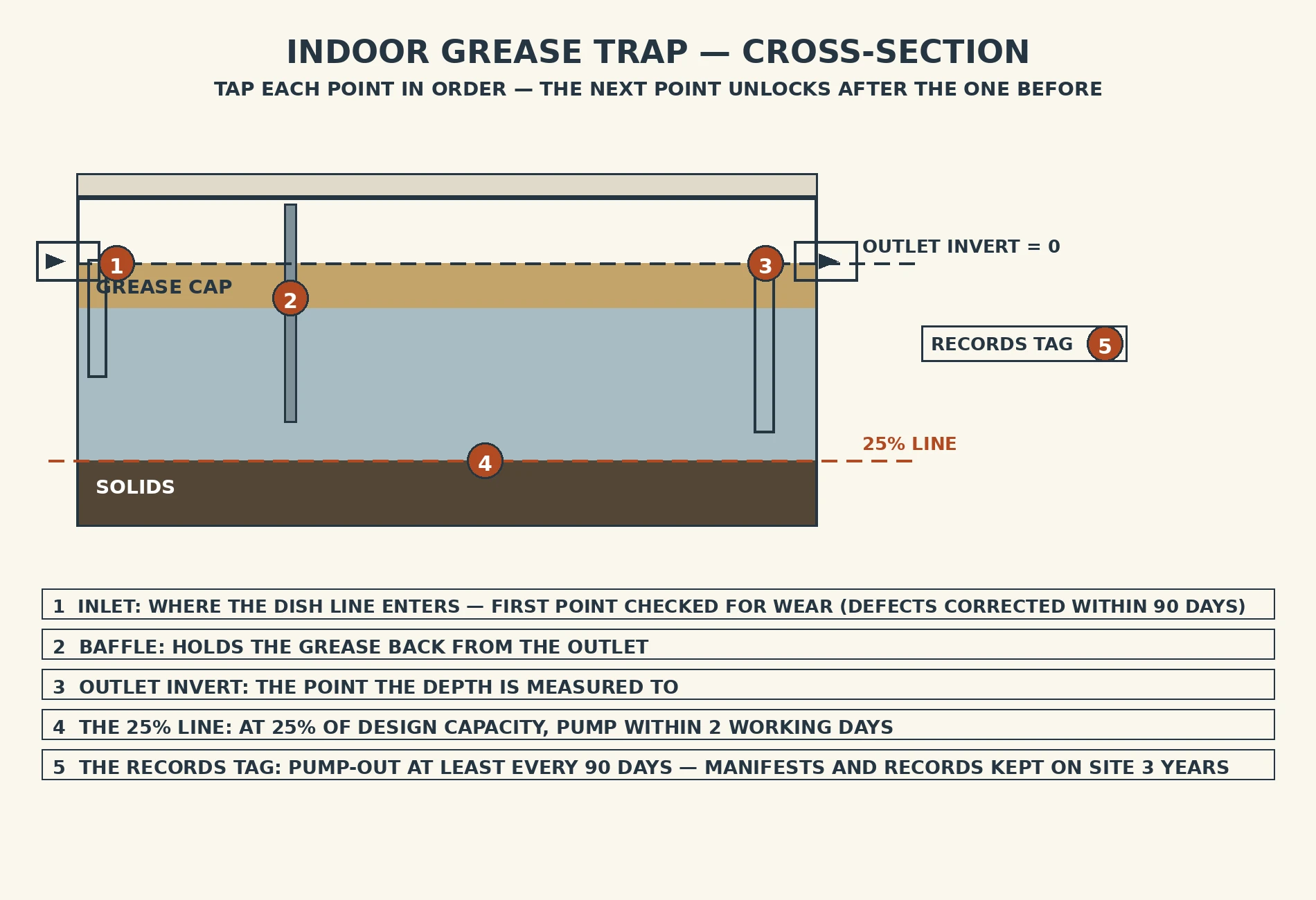
Inlet: where the dish line enters; the first point checked for wear (defects corrected within 90 days).
Baffle: holds the grease back from the outlet.
Outlet invert: the point the depth is measured to.
The 25 percent line: when contents reach 25 percent of design capacity, pump within two working days.
The records tag: pump-out at least every 90 days; manifests and service records kept on site three years.
Call us when
Your sink drains slowly after the evening wash.
There is a smell near the trap or the floor drain.
The last cleaning was more than two weeks ago and your menu is fry-heavy or broth-heavy.
An inspection is coming and you want the trap and the records in order.
A trap that was measured has reached 25 percent. The two-working-day clock is running.
You are taking over a kitchen and do not know the last service date.
For a backed-up trap that cannot wait, call and say so. Emergency service is how we handle it.
Ready to book a Harahan visit
Call (504) 360-9231 and we will set a time that fits your prep and service. Tell us the type of kitchen and the size of the trap if you know it.
Send us the details
The more details you give, the better we are able to help you.
Questions
Do you do grease trap cleaning in Harahan, including the Elmwood area?
Yes. Harahan is about fifteen to twenty minutes from our base in New Orleans, and Elmwood is part of the same ground. We service indoor traps and bring the manifest forms with us.
How often should a Harahan restaurant have its trap cleaned?
Most local restaurants clean small traps every one to four weeks. The 25 percent depth measure governs when a trap is due, and the city requires pump-out at least every 90 days no matter what.
What is the 25 percent rule?
When the grease and solids in a trap reach 25 percent of its design capacity, measured to the outlet invert, the trap must be pumped within two working days. It is trade practice and part of the city's rules.
How much does a trap cleaning cost?
Our price for an indoor trap up to 200 gallons is $125 to $180 on a scheduled visit. A trap of 201 to 500 gallons runs $175 to $475. We have no posted price for traps of 501 to 749 gallons, so we quote those on the phone once we know the trap.
What does an emergency visit cost?
For an indoor trap up to 200 gallons, an emergency visit runs $190 to $240. For larger traps, we give you the price on the call once we know the size.
Do you also jet the lines?
Yes. Line jetting costs $100 when we do it during a service visit. Heavy jetting for a hard-blocked line runs $300 to $600.
Do you take used cooking oil?
Yes, at no charge when the oil is clean. Containers run from 30 to 320 gallons.
What paperwork do I get?
A Louisiana DEQ manifest with the hauler's name, address, phone, vehicle number, LDEQ hauler registration number, date and volume. The city requires manifests and service records kept on site for three years.
What does an inspector look at?
They check that the trap is permitted through the Sewerage & Water Board's FOG Program, that it is pumped on schedule, that the depth is under 25 percent, and that your records are on site. If they find a defect, you have 90 days to correct it.
Does the state set how often I pump?
No. Louisiana has no pumping interval of its own, and enforcement is local. The city's rules, including the 90-day maximum, are the ones that apply to you.
What should I do between visits?
Scrape plates before washing, keep fryer oil out of the sink and use drain screens. Look at the trap's lid and note any slow drains. If the contents seem high, call us for a measure.
When can I reach you?
Monday to Friday, 9:00 AM to 5:30 PM, at (504) 360-9231.